
<img height="1" width="1" style="display:none;" alt="" src="https://px.ads.linkedin.com/collect/?pid=370153&amp;fmt=gif">

BEYOND BI

EMASPHERE is not a BI tool. It’s the foundation that powers your business decisions and AI analysis.

EMASPHERE handles what BI and ERP ignore: structuring, validating, and contextualising data before it is consumed. The result: trusted data that your BI can display and your AI can reason on.
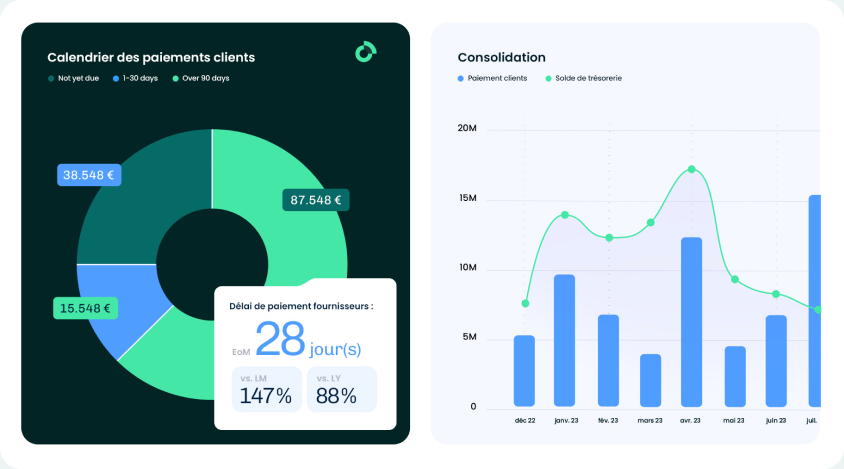
BI comes in once the data is ready.

A BI tool excels at exploration and visualisation. But it generally assumes you have already:

  • collected and centralised your data from all source systems
  • cleaned, normalised, and reconciled that data into a consistent format
  • applied your business rules (consolidation, multi‑currency, intercompany, analytical axes)
  • validated and historised each version for audit and traceability
  • created a semantic layer that your teams and your AI can query with confidence
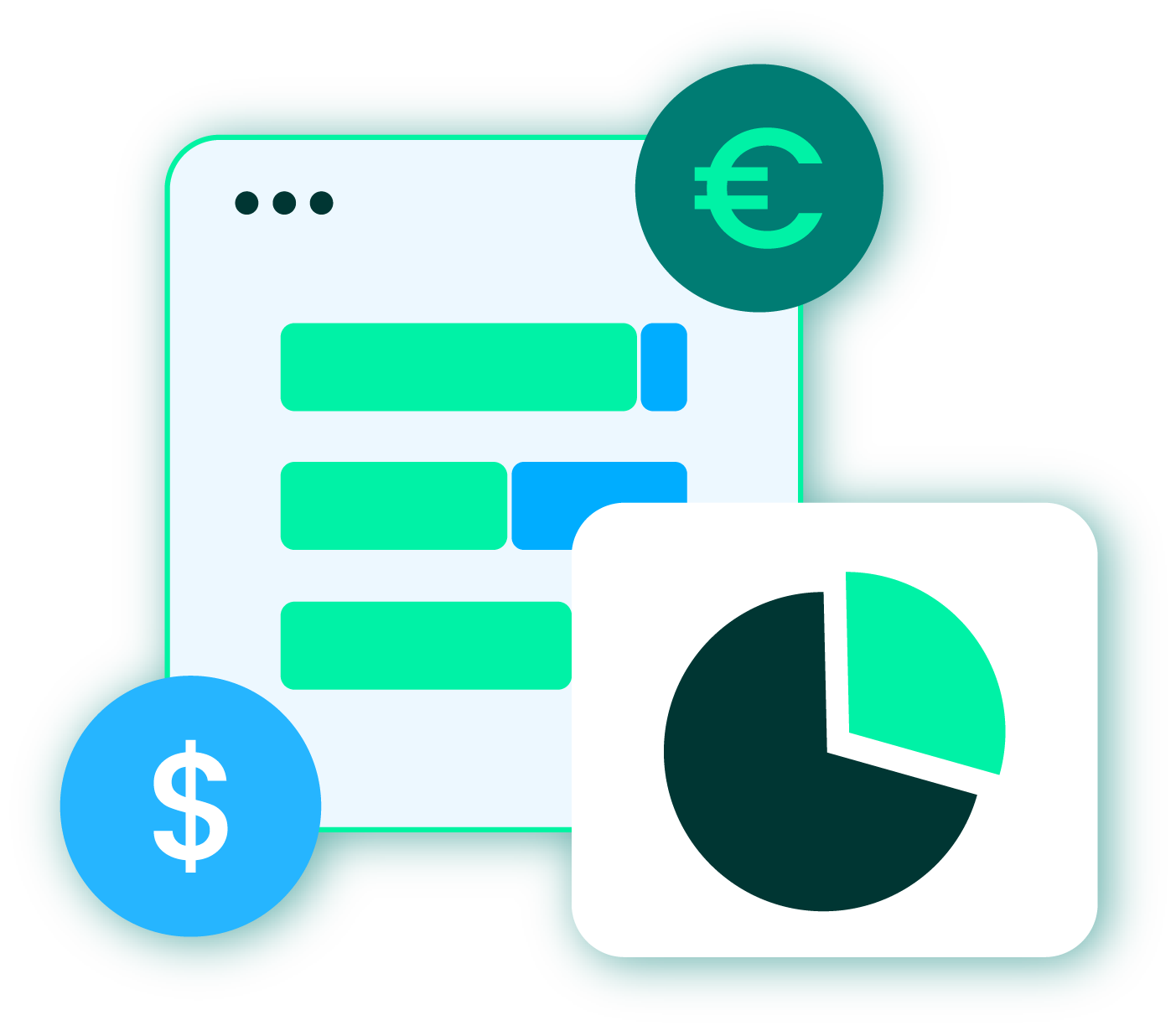
Trust starts before the dashboard.

The figures from your CRM and your accounting system must speak the same language. Revenue must have a single definition, regardless of which entity displays it. The AI must operate on a model that knows your consolidation rules and your currencies.

This work is not done by BI. It is not done by the ERP either. It is EMASPHERE's role.
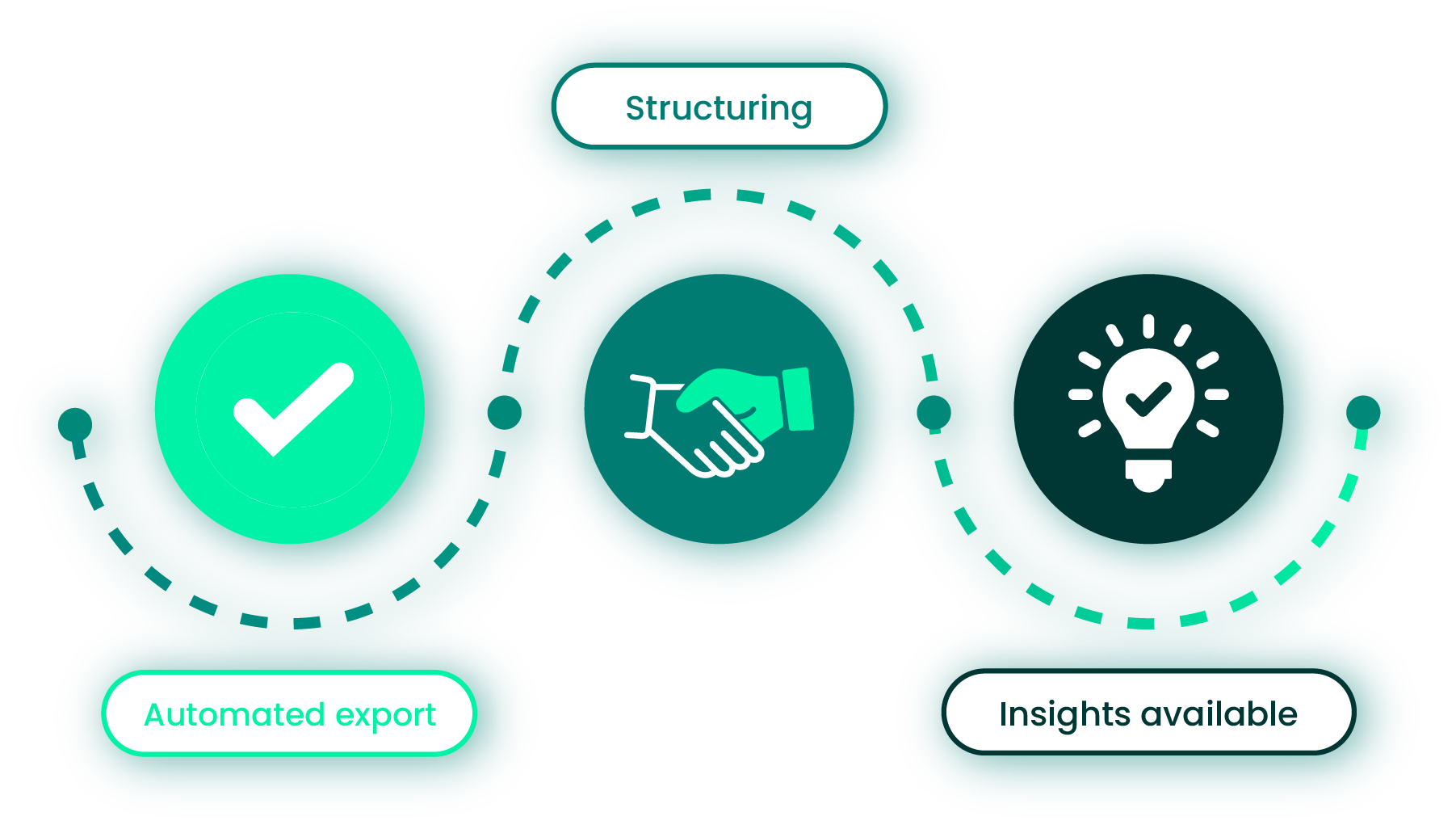
Flow 3 etapes-1

What each approach covers.

Compare EMASPHERE with EMASPHERE
DimensionEMASPHEREERP + MCP (native AI)BI (Tableau, Looker...)
Unified data modelNative, cross‑domainERP‑centric, persistent silosPossible, manual configuration
Data structuringPre‑structured, native financeRaw ERP data, heavy configurationRaw data, transformations required
Integrated Data WarehouseIncluded, no infrastructure requiredSiloed warehouseExternal (Azure, Snowflake) : must be provisioned
Semantic layerPre‑configured finance business logicPrompts only, no finance semanticsTechnical layer, no business logic
HistorisationNative : delta and full trackingSnapshot only, no differential historyManual configuration required (SCD)
Multi‑source (Finance + HR + CRM)Unified model on a single foundationERP data only, persistent silosVery strong technically, but unstructured
Business features (CFO logic)Consolidation, multi‑currency, forecasting : nativeGeneralist AI, no CFO logicPossible, but manual configuration
Reporting and visualisationIncluded, Board‑readyNative ERP, limited flexibilityVery strong (dedicated tool, "blank canvas")
Multi‑entity consolidationAutomatic intercompany eliminationNot nativeMust be modelled manually
Governance and traceabilityEvery figure traceable to the source entryNone : AI answers on raw dataNone : BI displays what it is given
Forecasting and budgetingBudgets, reforecasts, scenarios up to 5 yearsOut of scopeOut of scope
AI‑callable via native MCPFirst finance player to natively integrate MCPMCP possible but on unstructured dataNo

BI and AI consume data. EMASPHERE builds their foundation.

BI answers the need for visualisation. AI speeds up access to information. But the quality of their results always depends on the data they work on.

EMASPHERE guarantees a structured, consolidated, historised and contextualised foundation. So the question is not "BI or EMASPHERE?", but "which data will your BI and your AI work on?".
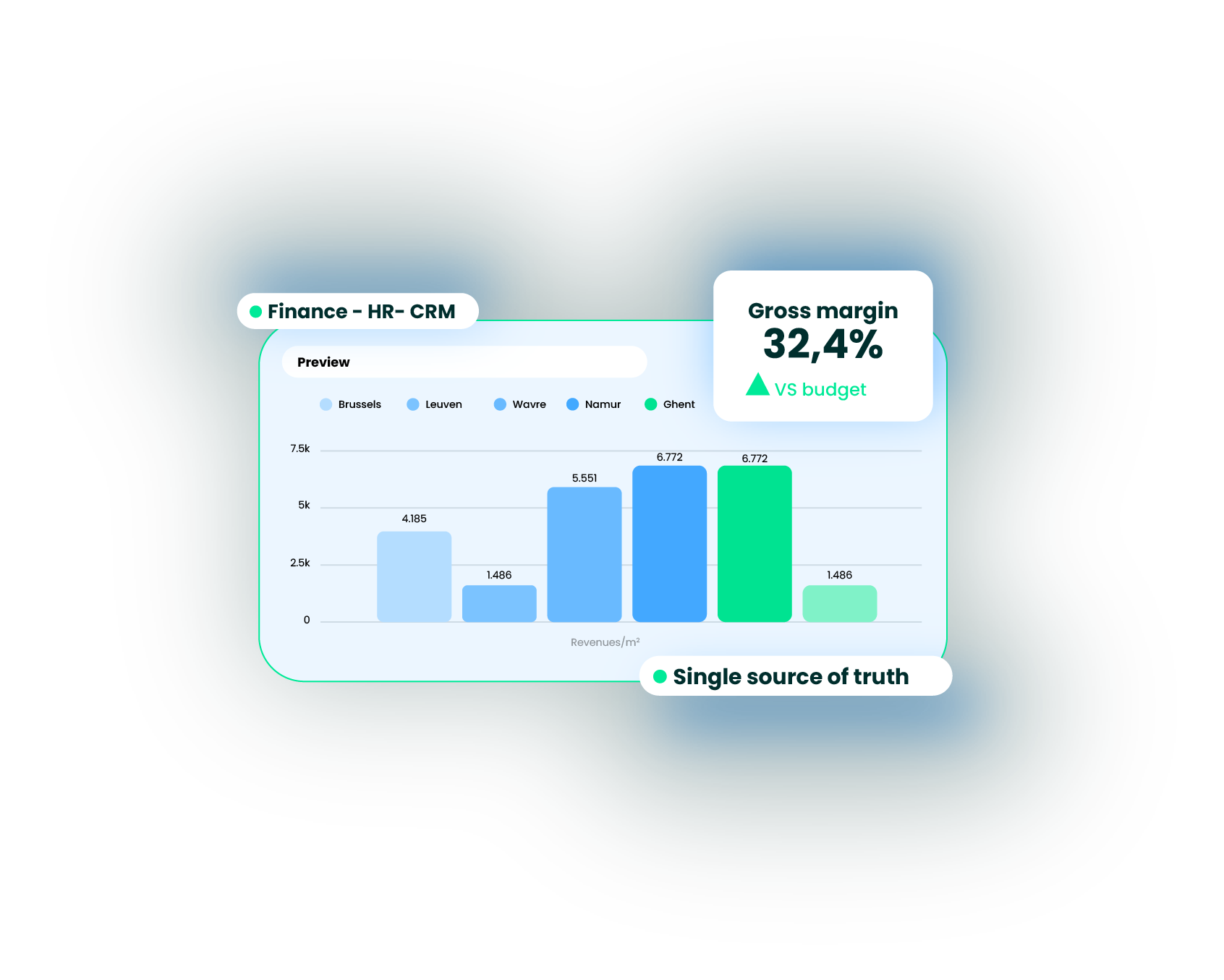
What this foundation changes

  • Without a unified model

    Several sources produce different versions of the same indicator. Teams first have to reconcile the figures before they can analyse them.

  • With EMASPHERE

    Teams share the same definitions and the same data. Every indicator is traceable and the AI queries a structured, contextualised and verifiable model.

A dashboard can only be as reliable as its data.

EMASPHERE builds the foundation your analyses and your AI rest on: an intelligent data warehouse, enriched with your business logic and designed to guarantee consistency and traceability.

Trusted data · Native finance model · AI‑callable by design